
BaseLok® Triaxial GeoGrid
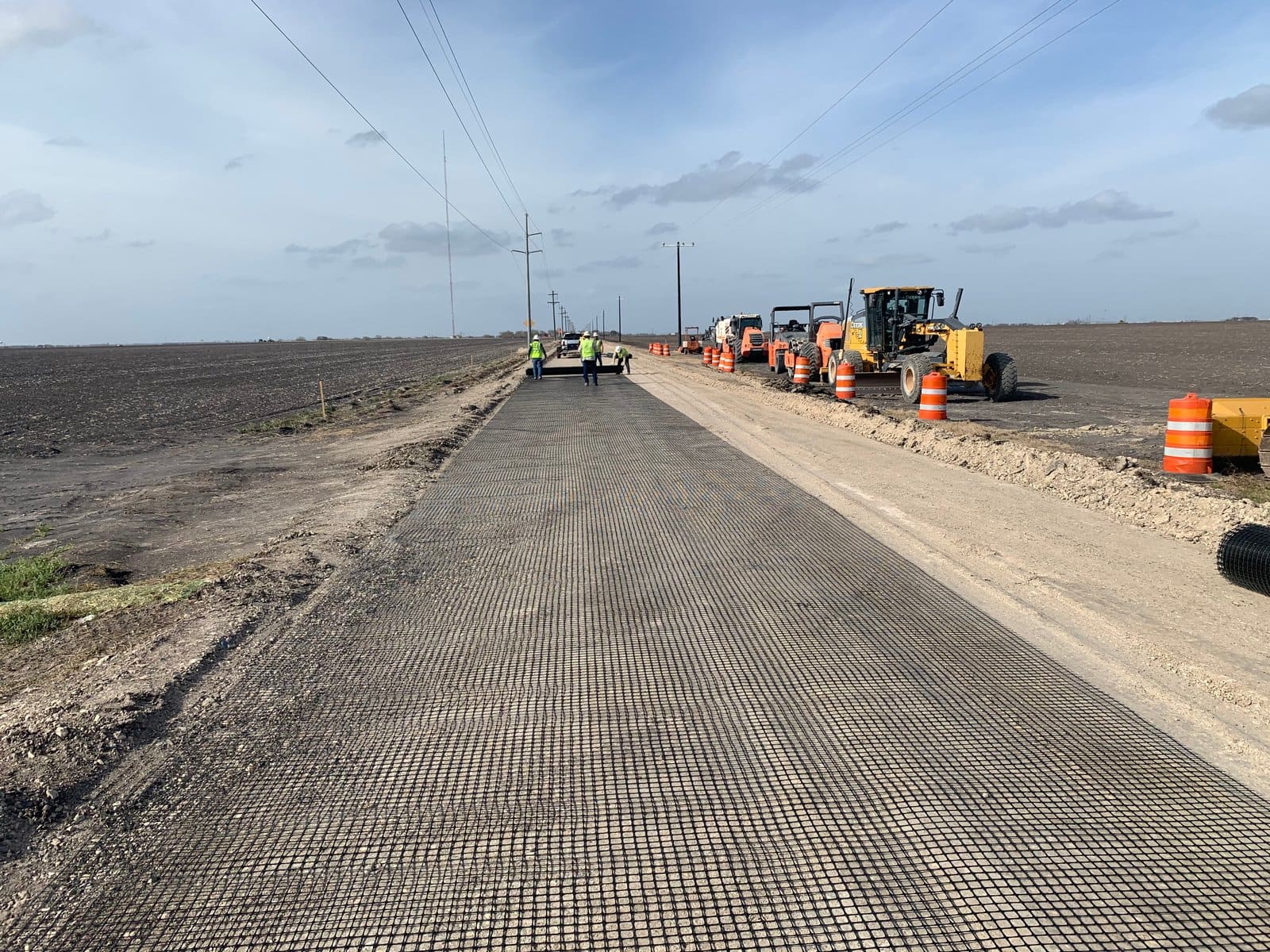




BaseLok® Triaxial (TX) GeoGrid represents the next generation in geosynthetic reinforcement technology. Featuring a unique triangular aperture geometry, the TX geogrid delivers in-plane stiffness in six directions — unlike conventional biaxial grids limited to two. This multi-directional load-distribution capability makes it exceptional for unpaved road stabilization, airport taxiways, and heavy-haul platforms where loads arrive from varying directions.
- Superior confinement performance under multi-directional loading
- Reduces pavement base thickness by up to 40% versus unreinforced sections
- High junction efficiency (>93%) ensures reliable load transfer at nodes
Triaxial GeoGrid Specifications & Applications
How BaseLok® Triaxial GeoGrid Works
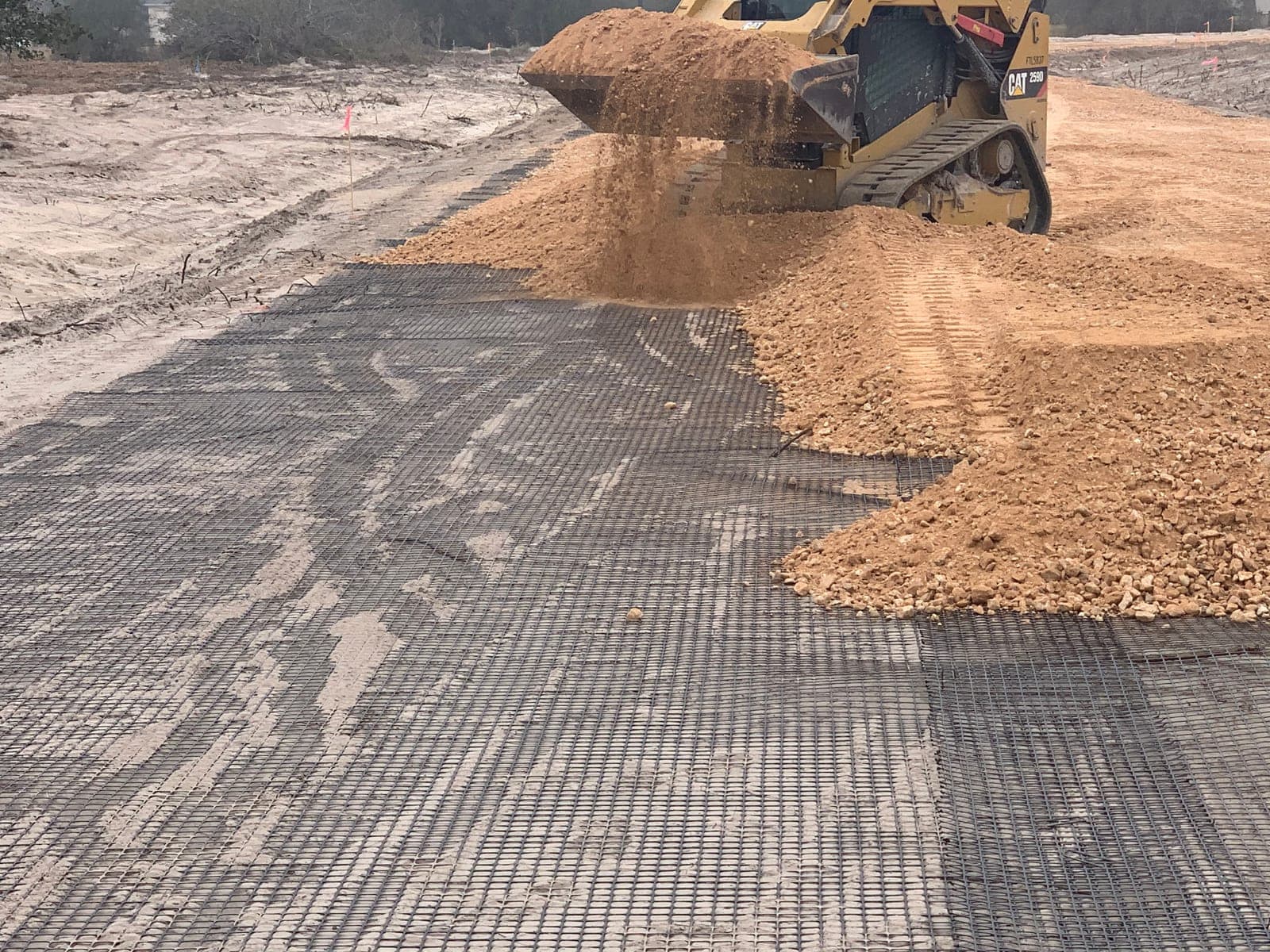
The TX GeoGrid's triangular aperture structure creates a mechanically-stabilized layer (MSL) that functions in all directions simultaneously. When loaded, the stiff ribs radiating from each junction node resist deformation by mobilizing aggregate interlock in six orientations. This contrasts with biaxial grids where only two primary rib directions carry load, leaving diagonal directions under-reinforced. The result is a uniformly confined, high-stiffness composite base layer that significantly outperforms biaxial grids in heavy-traffic, omnidirectional loading scenarios.
- Triangular Aperture Geometry: Equilateral triangular apertures (typically 40mm sides) produce stiffness in six directions — 0°, 60°, and 120° orientations — covering all traffic load approaches.
- Integral Rib-Junction Nodes: Punched and drawn manufacturing process creates integrally formed junctions with efficiency ratings exceeding 93%, unlike welded or bonded connections.
- High In-Plane Stiffness: Secant stiffness at 0.5% strain exceeds 300 kN/m in the main rib directions — far exceeding conventional biaxial grades for demanding stabilization tasks.
- Stiff Ribs, Not Flexible Strips: Unlike geotextile-based reinforcements, TX GeoGrid's rigid polypropylene ribs maintain in-plane stiffness without relying on soil confinement to develop strength.
PRODUCTS: Triaxial Geogrid Series
- TX130 — Unpaved Road & Working Platform Stabilization: Entry-level triaxial geogrid for subgrade stabilization on access roads, construction platforms, and temporary haul roads over weak, cohesive subgrades (CBR 1–5%). Delivers excellent rut resistance with minimal aggregate depth.
- TX160 — Enhanced Base Reinforcement: Intermediate-strength TX geogrid designed for reinforced flexible pavement base courses. Provides outstanding performance under high repetitions of standard axle loadings. Ideal for municipal roadways, industrial access lanes, and logistics parks.
- TX190 — Heavy-Duty Stabilization: High-performance TX geogrid engineered for the most demanding ground conditions. Suited for port container yards, intermodal terminals, crane pads, military operations bases, and airport aprons where maximum rutting resistance and longevity are non-negotiable.
- TX5 — Ultra-Stiff Long-Term Stabilization: Premium TX GeoGrid with highest in-plane stiffness for permanent road base reinforcement. Used where lifetime aggregate savings and extended pavement design life (25–50 years) must be demonstrated. Suitable for national highways and commercial airport pavements.
Typical Physical Properties — Triaxial GeoGrid
| Property | TX130 | TX160 | TX190 | Test Method |
|---|---|---|---|---|
| Rib Pitch | 40 mm | 40 mm | 40 mm | ISO 9864 |
| Secant Stiffness @ 0.5% Strain | 200 kN/m | 300 kN/m | 475 kN/m | BS 8006 |
| Junction Efficiency | ≥ 93% | ≥ 93% | ≥ 93% | GRI GG2 |
| Aperture Stability Modulus | 0.32 m-N/deg | 0.65 m-N/deg | 1.0 m-N/deg | Kinney (2000) |
| Tensile Strength (Main Rib) | 28 kN/m | 40 kN/m | 50 kN/m | ASTM D6637 |
| Material | Polypropylene (PP) — Hexagonal Punched & Drawn | - | ||
| UV Resistance | ≥ 70% strength retained after 500 hr UV exposure | ASTM D4355 | ||
* Values are minimum average roll values (MARV). Contact BaseLok® engineering team for site-specific design support.
Biaxial vs. Triaxial — Quick Comparison
| Feature | Biaxial (BX) | Triaxial (TX) |
|---|---|---|
| Aperture Shape | Rectangular | Equilateral Triangle |
| Load Directions | 2 (MD & CMD) | 6 (every 60°) |
| Best For | Unidirectional traffic, embankments, walls | Multi-directional traffic, platforms, haul roads |
| Typical Aggregate Savings | 20–30% | 30–50% |
| In-Plane Stiffness | Moderate | Very High |
TX130s Product Data Sheet
Full specifications, physical properties and installation guidelines for TX130s..
DOWNLOAD PDFInstallation & Design Guide
Best-practice installation guide with design methodology and case references.
#Also Explore GeoGrid Types
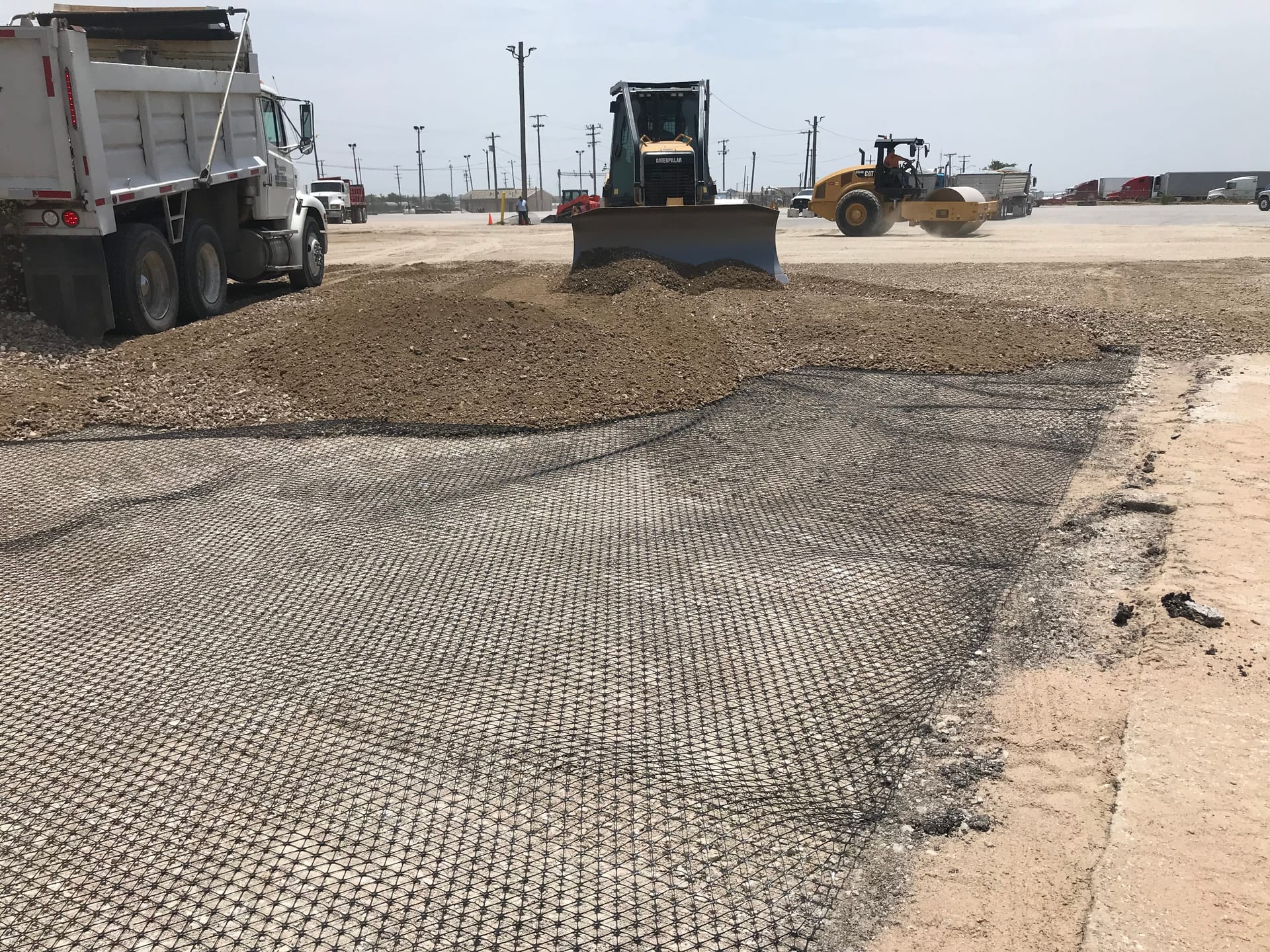
Equal biaxial tensile strength for base reinforcement, subgrade stabilization, and embankment applications.
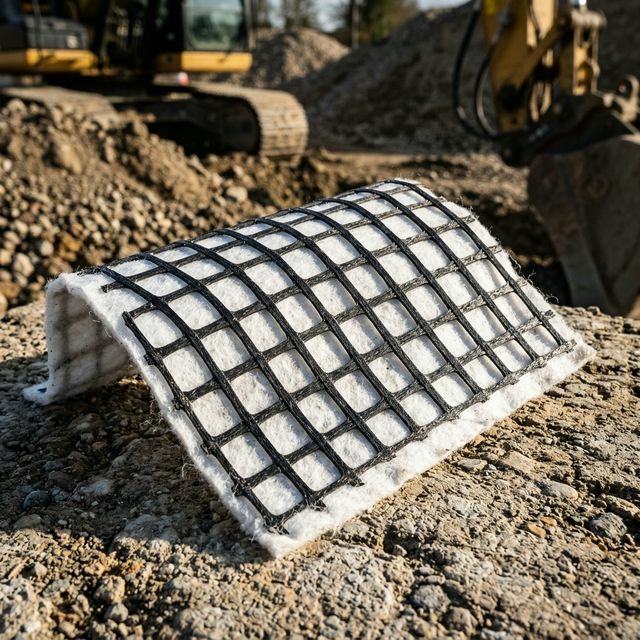
Composite geotextile-geogrid designed for combined filtration, separation, and reinforcement in one layer.

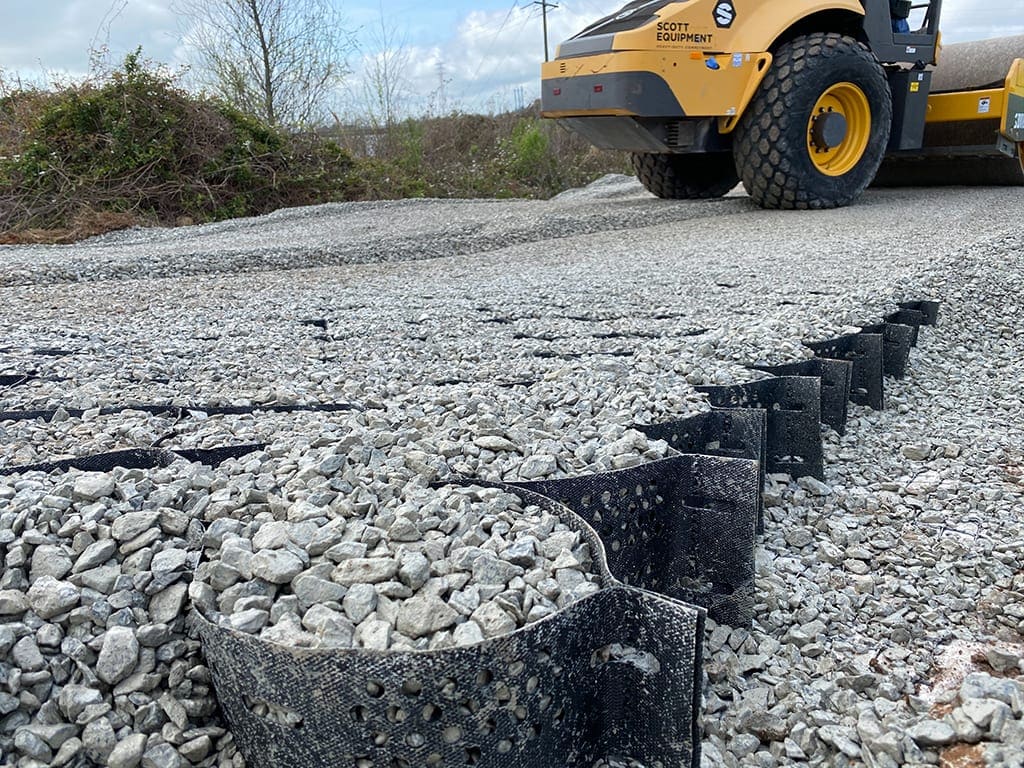
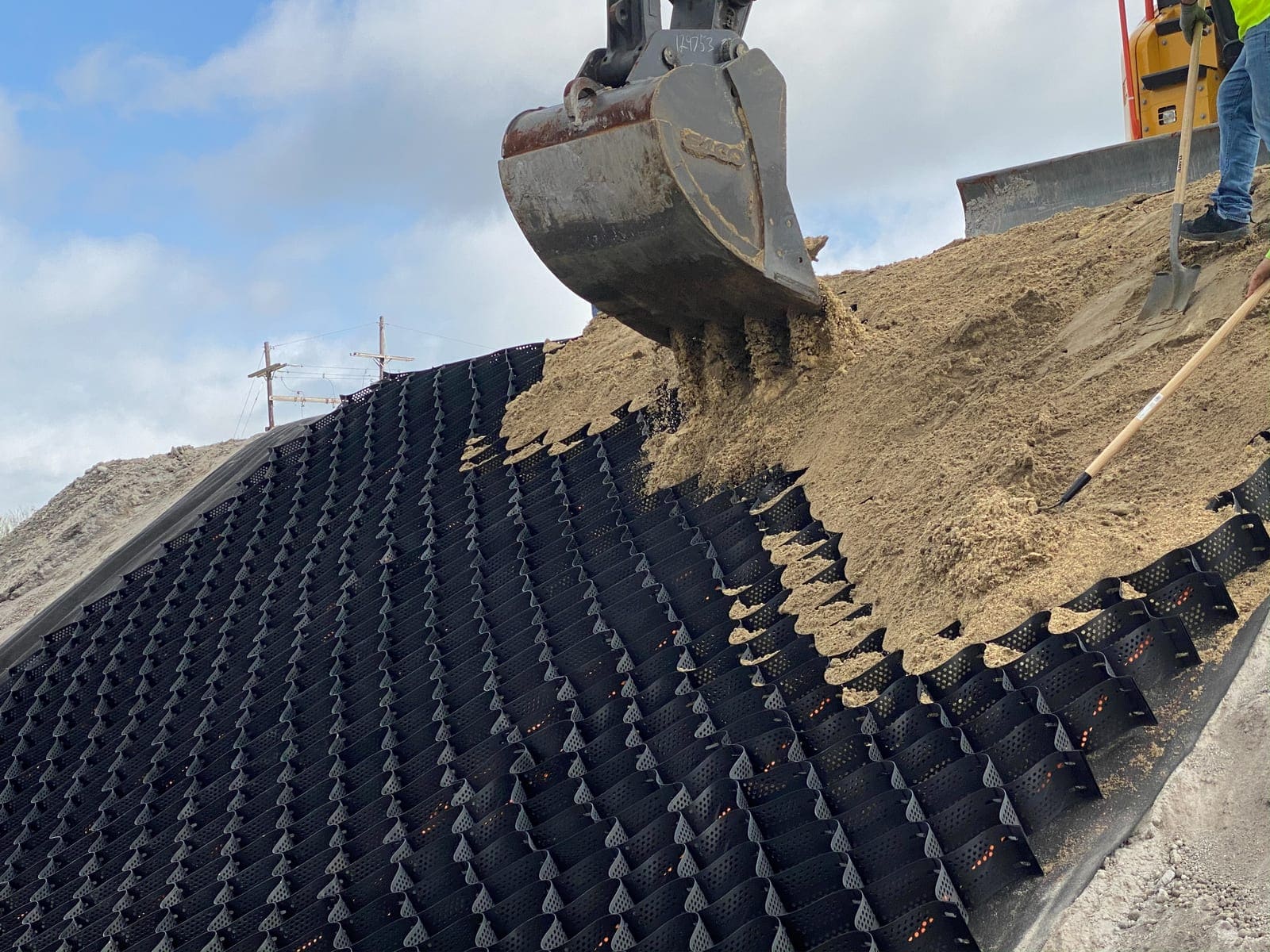
Three-dimensional cellular confinement system for load-bearing platforms and challenging soil conditions.
Resources
Featured Insights
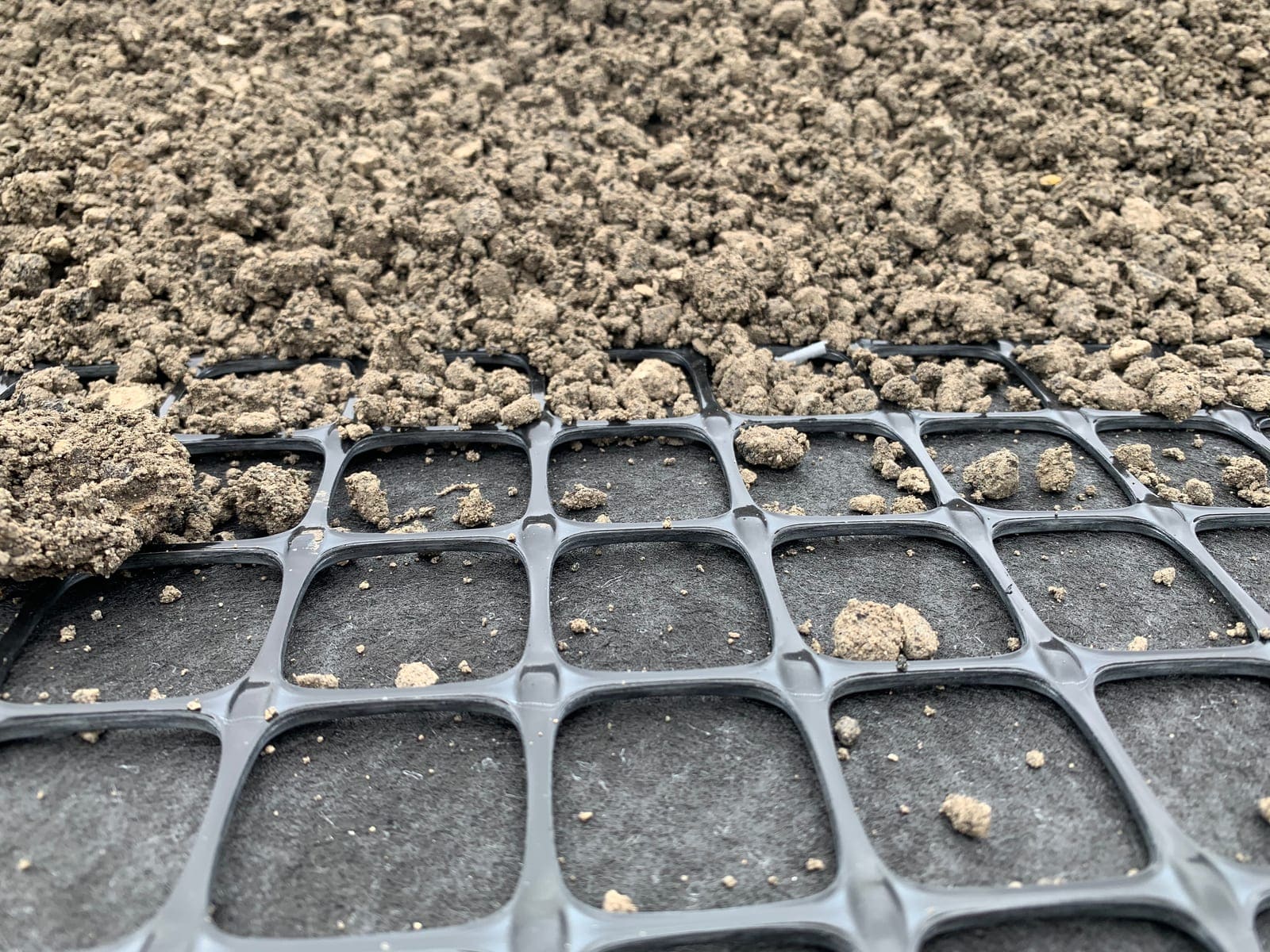
Maintaining the integrity of soil layers is critical for long-term infrastructure performance. Baselok FabGrid...
Infrastructure development in weak soil conditions requires innovative reinforcement solutions. Baselok GeoCel...
Explore how advanced geosynthetic solutions like Baselok Geogrid and FabGrid are transforming modern construct...
Understand how Baselok GeoCell and SiltGuard solutions help manage erosion and protect infrastructure in chall...

Modern infrastructure projects demand solutions that are faster, more cost-effective, and more durable than wh...