
BaseLok® Biaxial GeoGrid
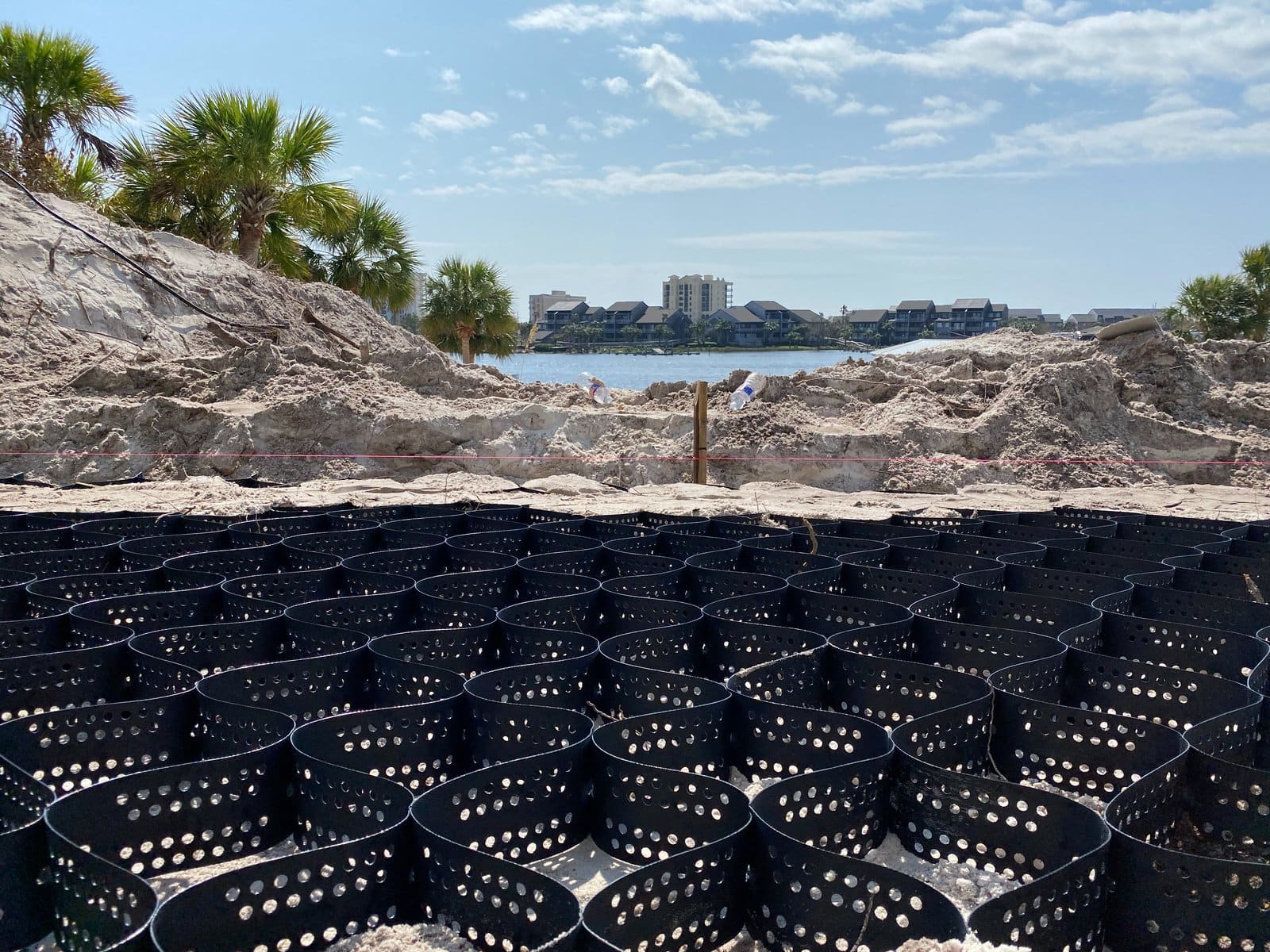
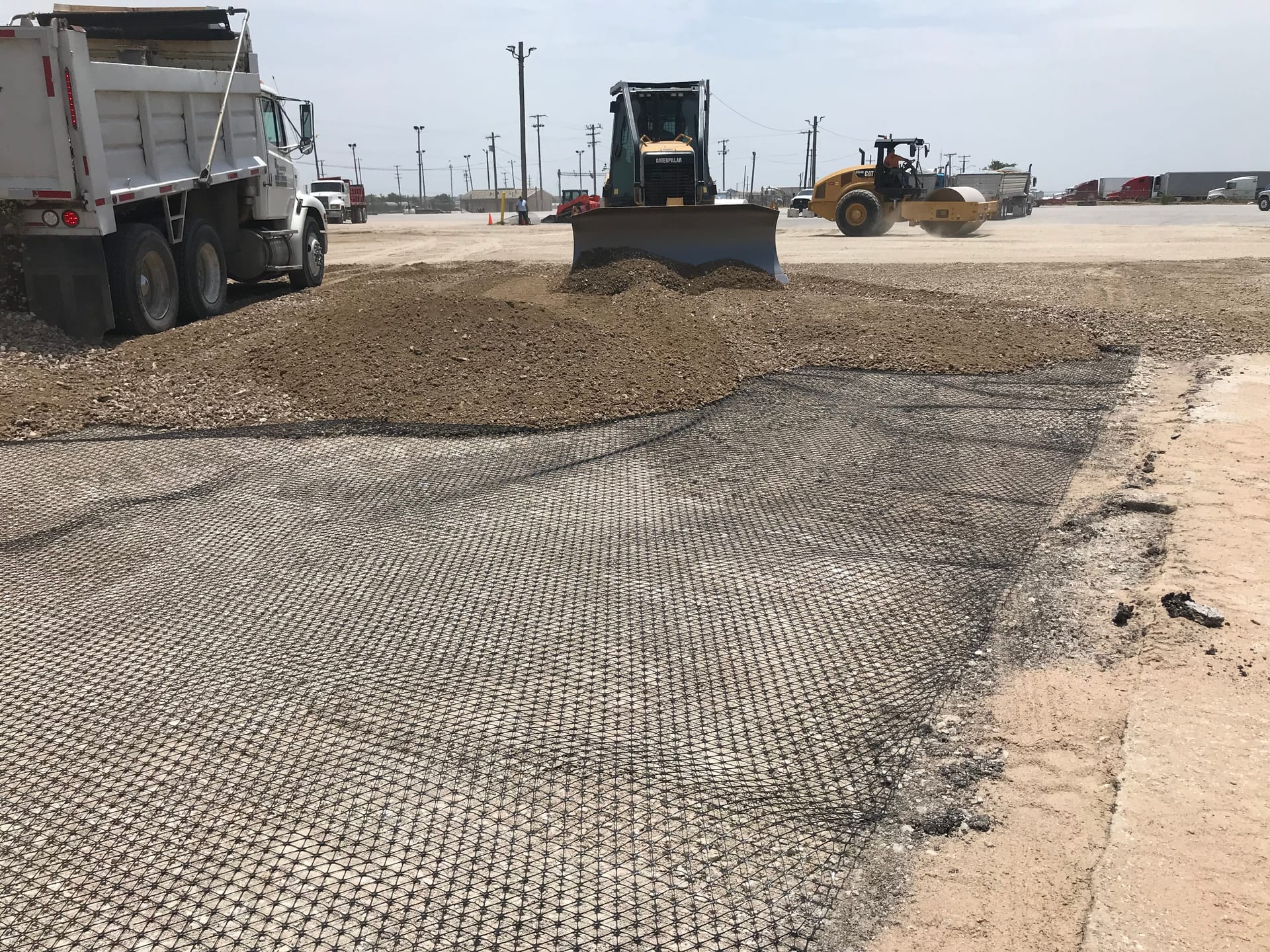


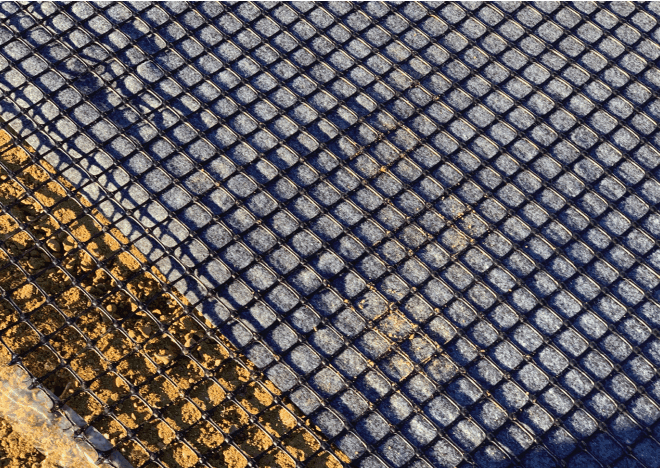
BaseLok® Biaxial (BX) GeoGrid is manufactured in Houston, TX from high-density polypropylene (HDPP) — punched, heated, and drawn in two perpendicular directions to create a stiff, open-aperture grid structure. This biaxial orientation provides equal tensile strength in both the machine and cross-machine directions, making it ideal for base reinforcement and subgrade stabilization beneath aggregate layers.
- Reduces aggregate thickness requirements by up to 30%
- Extends pavement and surface design life significantly
- Suitable for both paved and unpaved road applications
Biaxial GeoGrid Specifications & Applications
How BaseLok® Biaxial GeoGrid Works
Biaxial geogrids function by mobilizing the aggregate particles that pass through and interlock within the open apertures of the grid. When placed at the interface between the subgrade and aggregate base layer, the BX geogrid creates a mechanically-stabilized layer (MSL) that distributes applied loads over a larger area, dramatically reducing vertical stress on weak subgrade soils.
- Load Distribution: Transfers applied wheel loads laterally over a wider area, reducing localized vertical stress on weak subgrade soils.
- Aggregate Interlock: Open apertures (typically 25mm × 33mm) allow aggregate particles to penetrate, interlock, and create a mechanically-stabilized composite layer.
- Rutting Prevention: Reduces lateral displacement of aggregate particles, preventing rut formation under repeated traffic loading.
- Drainage Compatibility: Open structure allows free drainage, avoiding pore pressure build-up at the geogrid-soil interface.
PRODUCTS: Biaxial Geogrid Series
- BX1100 — Subgrade Stabilization: Designed for use over soft, saturated subgrade soils. Provides excellent modulus in both directions for base reinforcement applications beneath unpaved aggregate layers. Ideal for access roads and haul roads.
- BX1200 — Base Course Reinforcement: Higher-strength variant engineered for reinforced base courses beneath flexible pavements. Reduces aggregate thickness and extends the design service life of paved road sections.
- BX1300 — Heavy-Duty Stabilization: Ultra-high-modulus biaxial grid for extreme loading environments including crane pads, heavy haul terminals, port facilities, and intermodal yards where rutting resistance is critical.
- BX1500 — Slope & Embankment Reinforcement: Wider aperture variant optimized for fill reinforcement applications in embankments and mechanically-stabilized earth (MSE) walls. Works in conjunction with Geocell and other Baselok systems.
Typical Physical Properties — Biaxial GeoGrid
| Property | BX1100 | BX1200 | BX1300 | Test Method |
|---|---|---|---|---|
| Tensile Strength (MD) | 13 kN/m | 20 kN/m | 30 kN/m | ASTM D6637 |
| Tensile Strength (CMD) | 13 kN/m | 20 kN/m | 30 kN/m | ASTM D6637 |
| Aperture Size (MD × CMD) | 25 × 33 mm | 25 × 33 mm | 33 × 33 mm | GRI GG1 |
| Junction Strength | 800 N | 1,000 N | 1,400 N | GRI GG2 |
| Flexural Stiffness | 250,000 mg·cm | 500,000 mg·cm | 750,000 mg·cm | ASTM D1388 |
| Material | High-Density Polypropylene (HDPP) | - | ||
| UV Resistance | ≥ 70% strength retained after 500 hr UV exposure | ASTM D4355 | ||
* Values shown are minimum average roll values (MARV). Contact BaseLok® for project-specific design assistance.
BX1100
Full specifications, physical properties and installation guidelines for BX1100.
Biaxial BT 100Biaxial Datasheet 3
Best-practice installation guide with design methodology and case references.
DOWNLOAD PDFProject Highlights
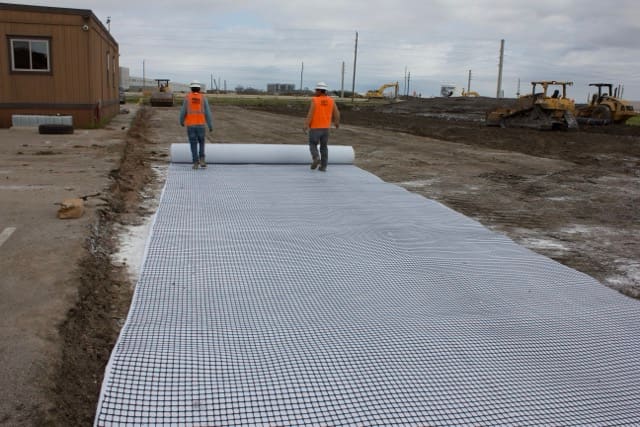
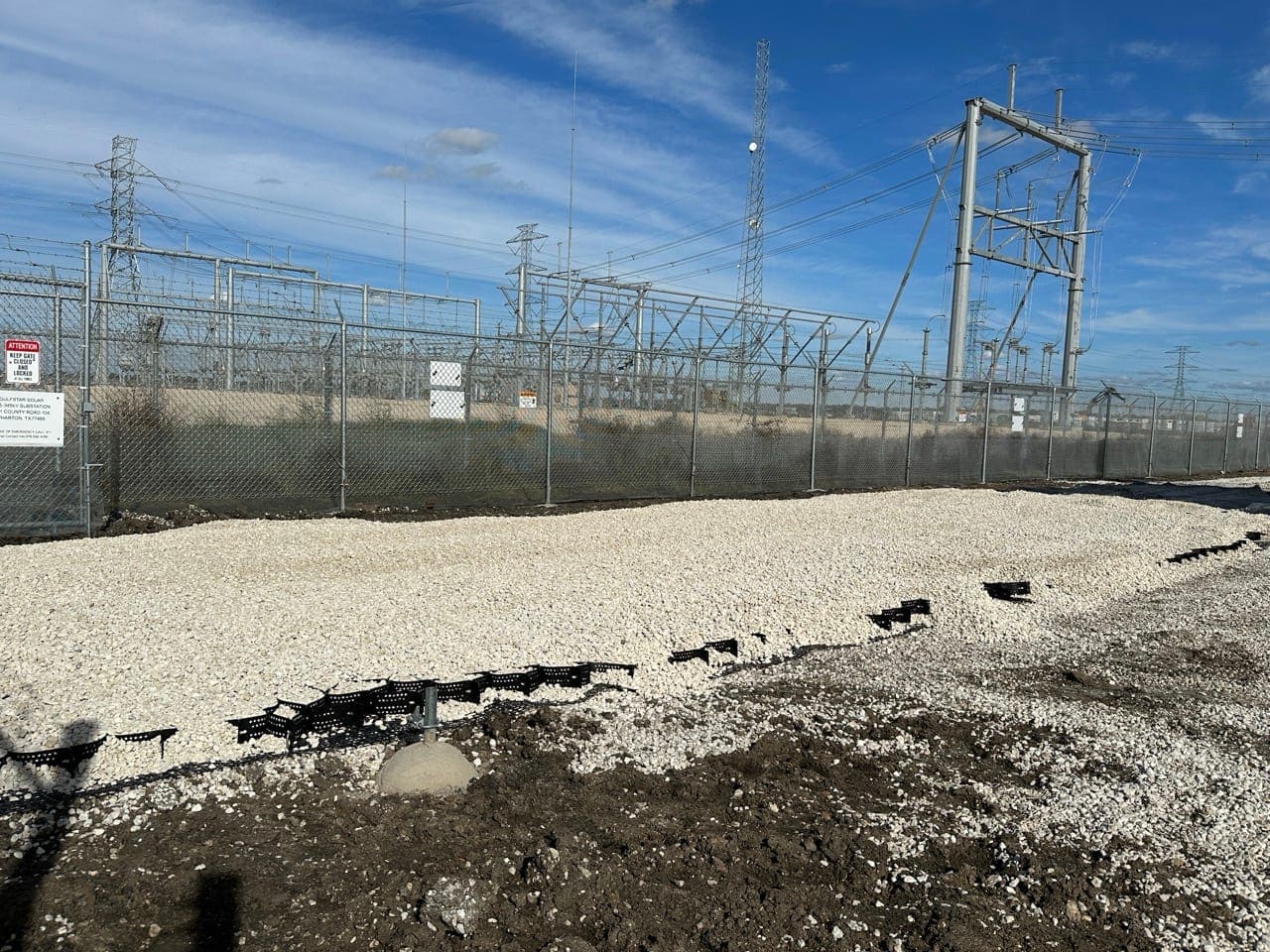
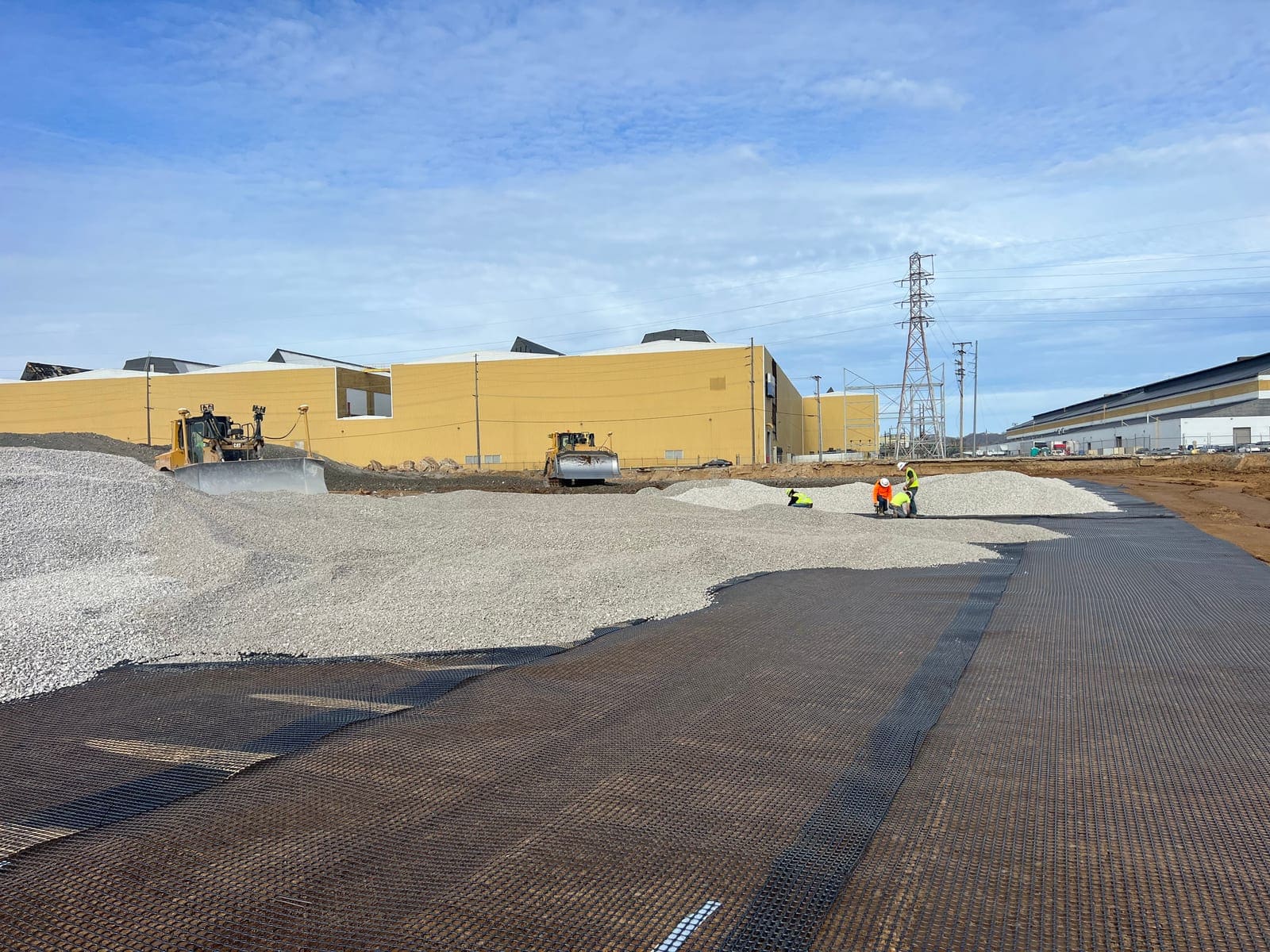
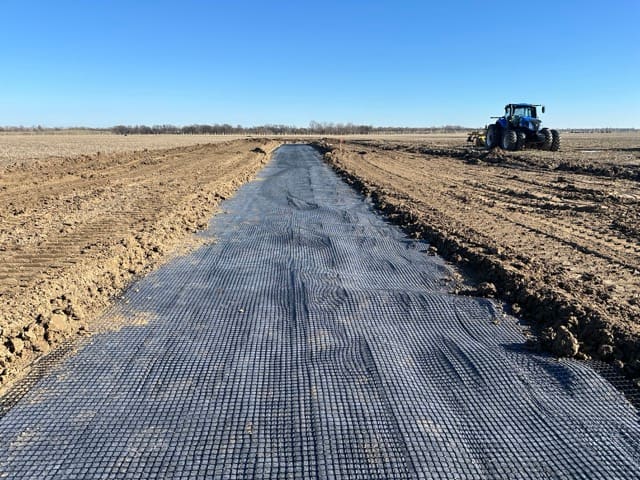
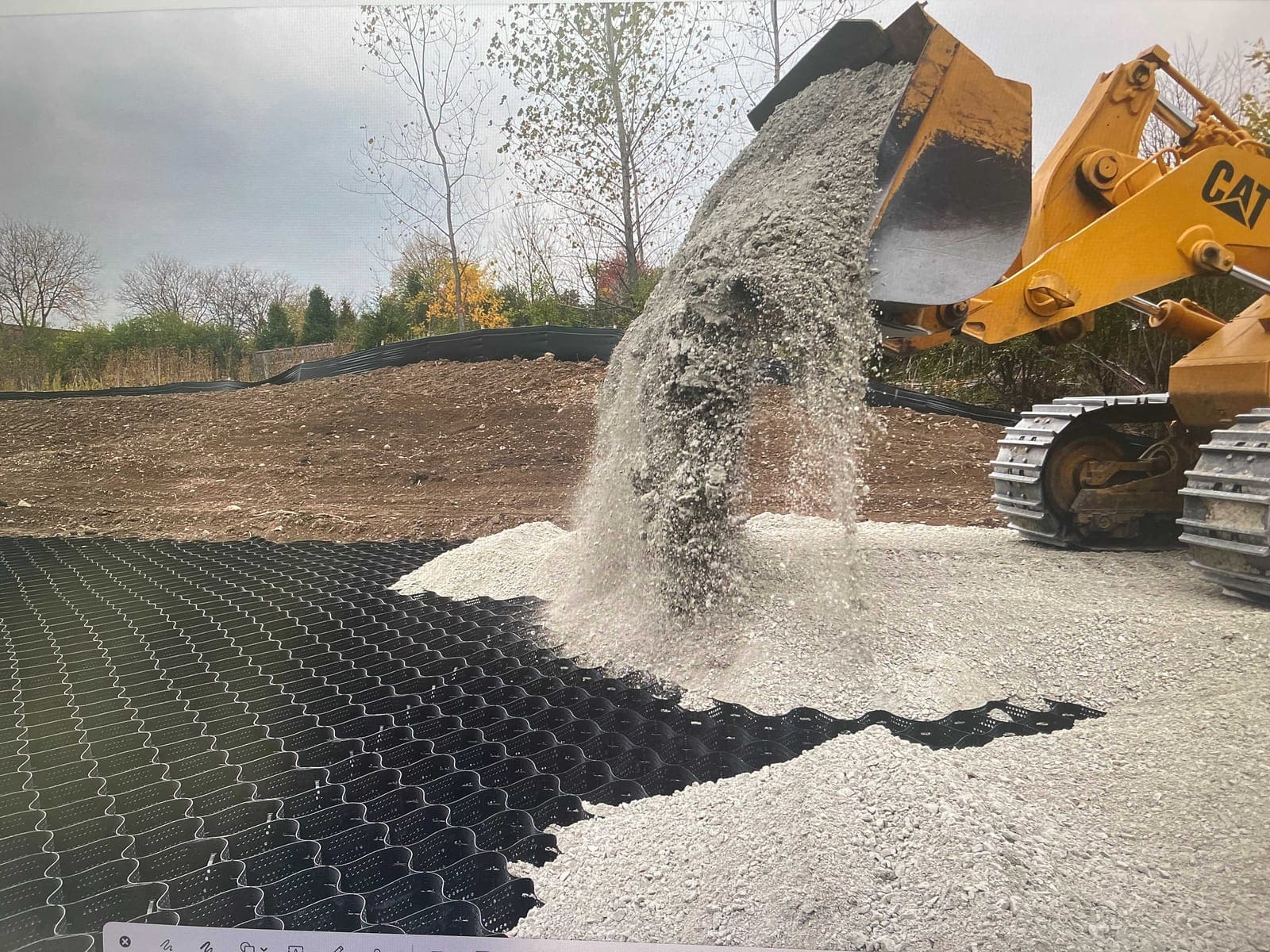
Also Explore GeoGrid Types
Multidirectional strength for high-performance subgrade stabilization and base reinforcement under heavy traffic.
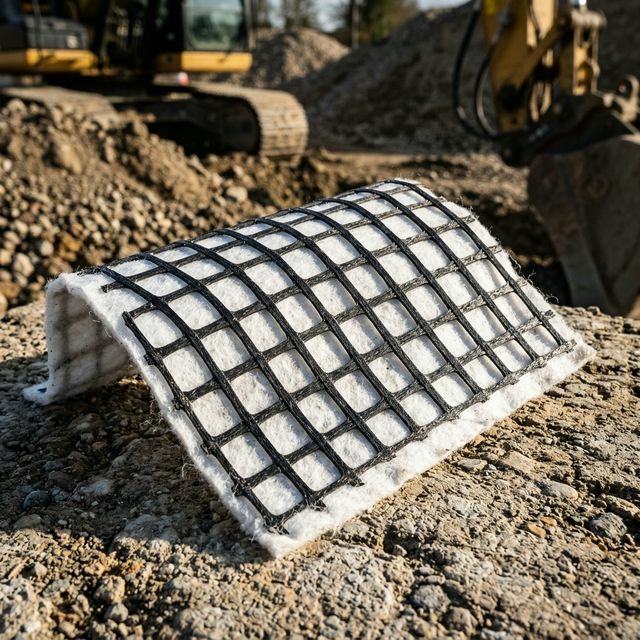
Composite reinforcement layer designed for unpaved and paved surfaces — combines geotextile and geogrid functions.
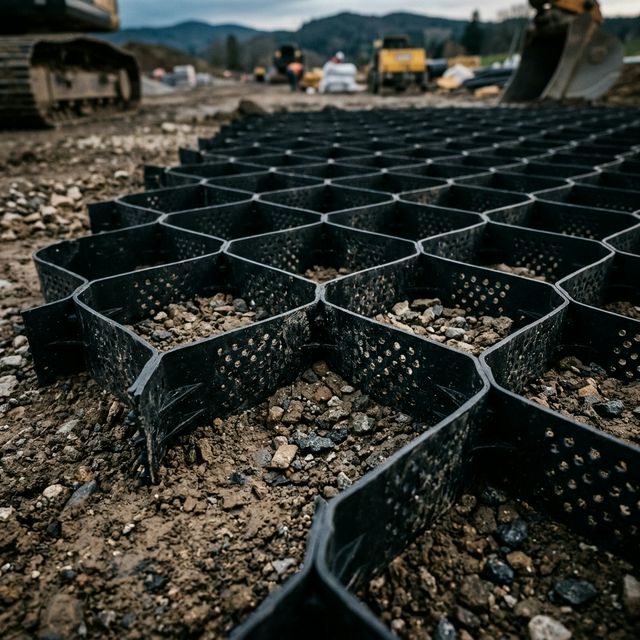
Cellular confinement technology for challenging soils, slopes and load-bearing platforms.
Resources
Featured Insights
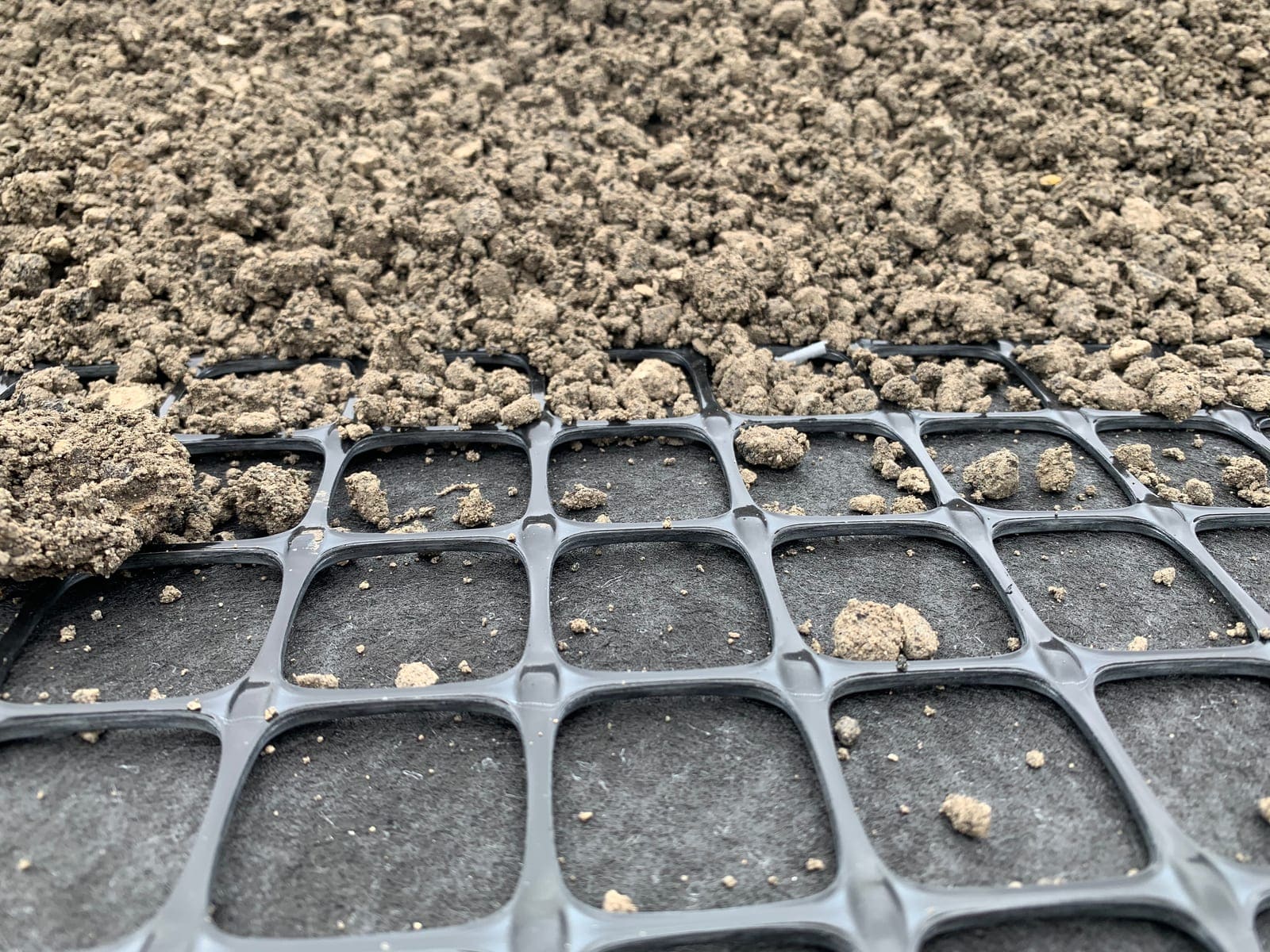
Maintaining the integrity of soil layers is critical for long-term infrastructure performance. Baselok FabGrid...
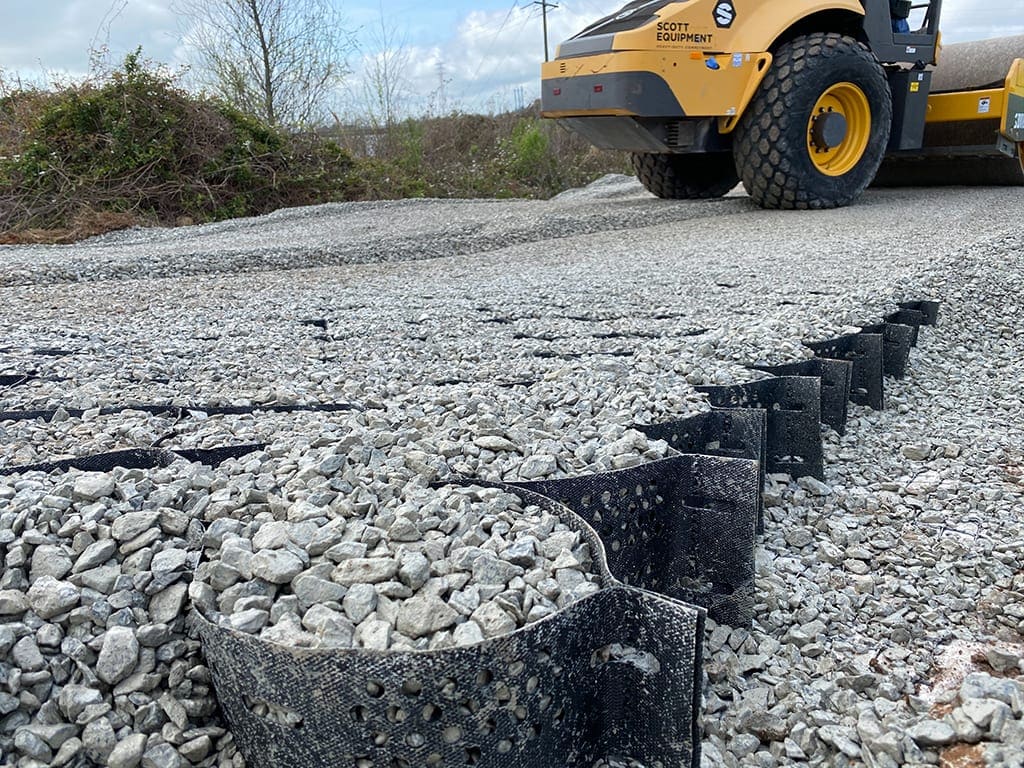
Infrastructure development in weak soil conditions requires innovative reinforcement solutions. Baselok GeoCel...
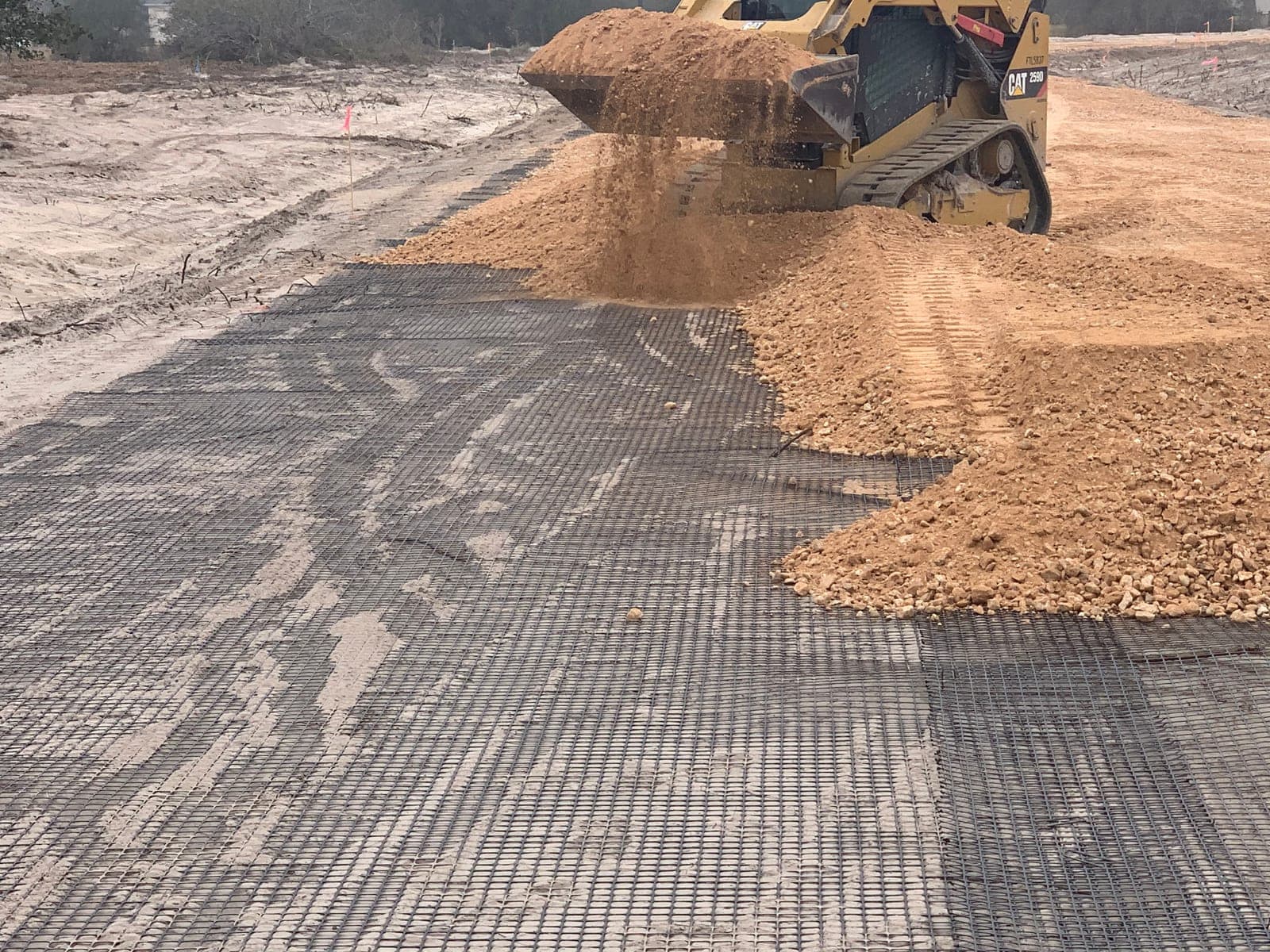
Explore how advanced geosynthetic solutions like Baselok Geogrid and FabGrid are transforming modern construct...
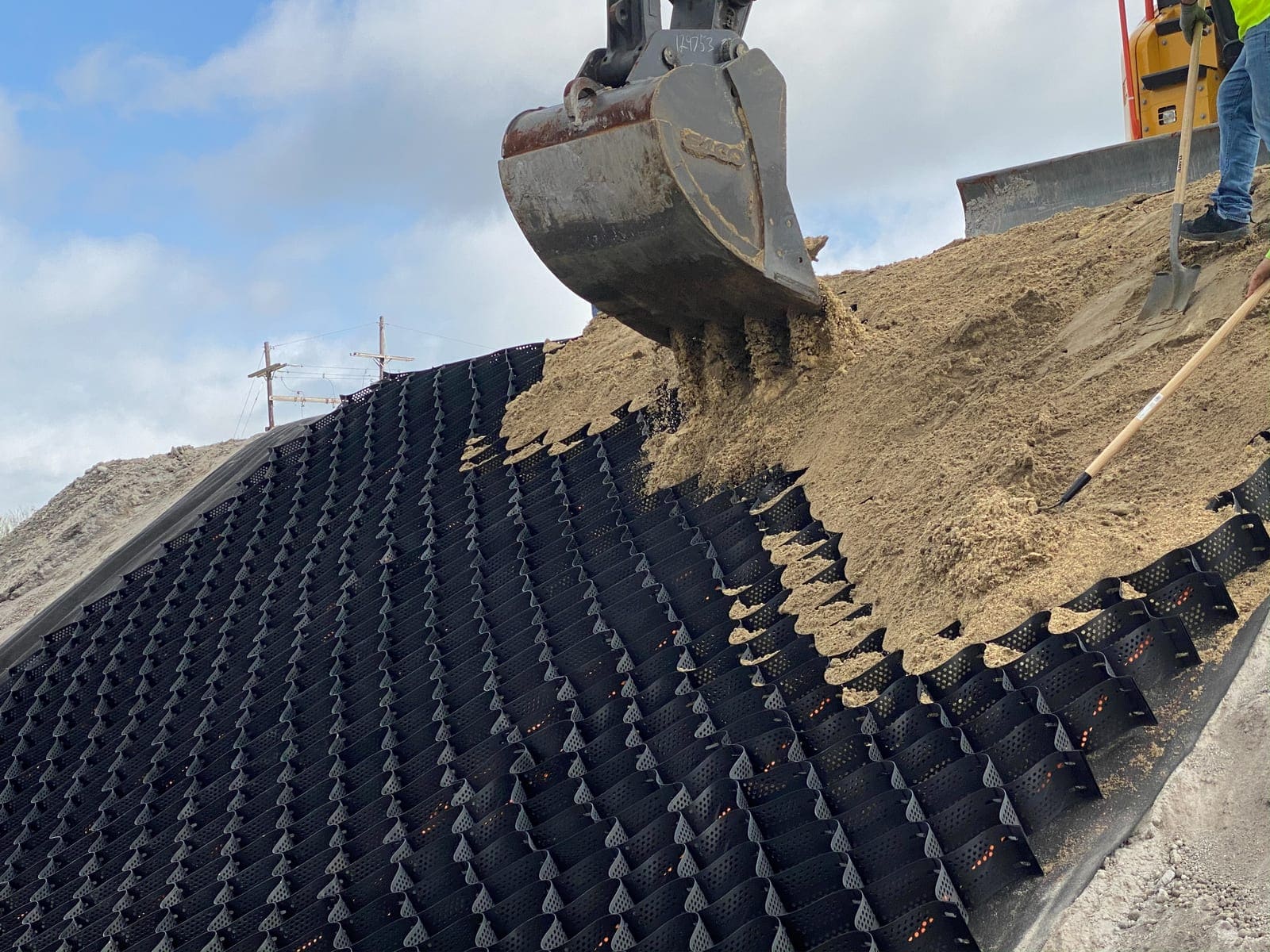
Understand how Baselok GeoCell and SiltGuard solutions help manage erosion and protect infrastructure in chall...
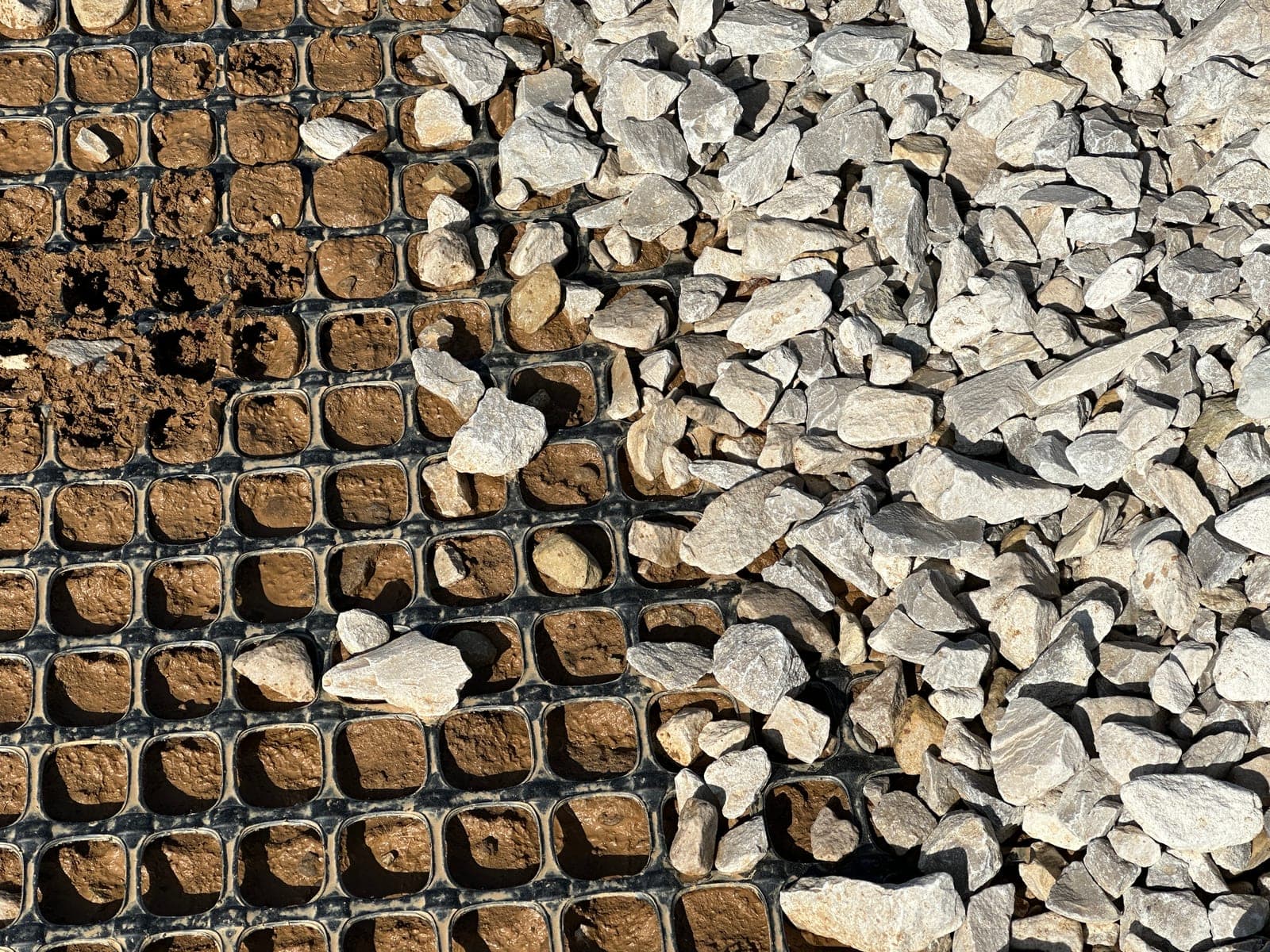
Modern infrastructure projects demand solutions that are faster, more cost-effective, and more durable than wh...