Increased Bearing Capacity
STRUCTURE & FOUNDATION "INCREASED BEARING CAPACITY"
Enhance soil bearing capacity for foundation support
When building on soft soils, the primary challenge is the soil's limited ability to support structural loads. BaseLok GeoGrid and GeoCell technologies distribute vertical loads over a much wider area, effectively increasing the bearing capacity of the underlying subgrade. This mechanical stabilization allows for the use of shallow foundations even in challenging soil conditions
How Increased Bearing Capacity is Achieved
Traditional foundation design often relies on the natural strength of the soil. When that strength is insufficient, standard practice involves over-excavation or deep foundations. BaseLok offers a more efficient alternative through the creation of a mechanically stabilized layer (MSL).
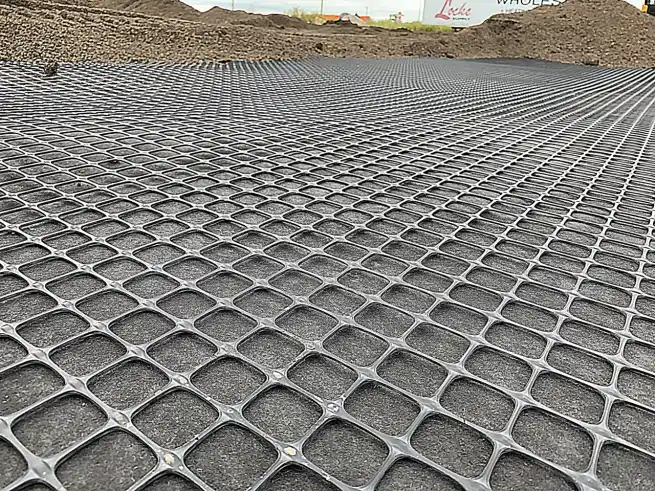
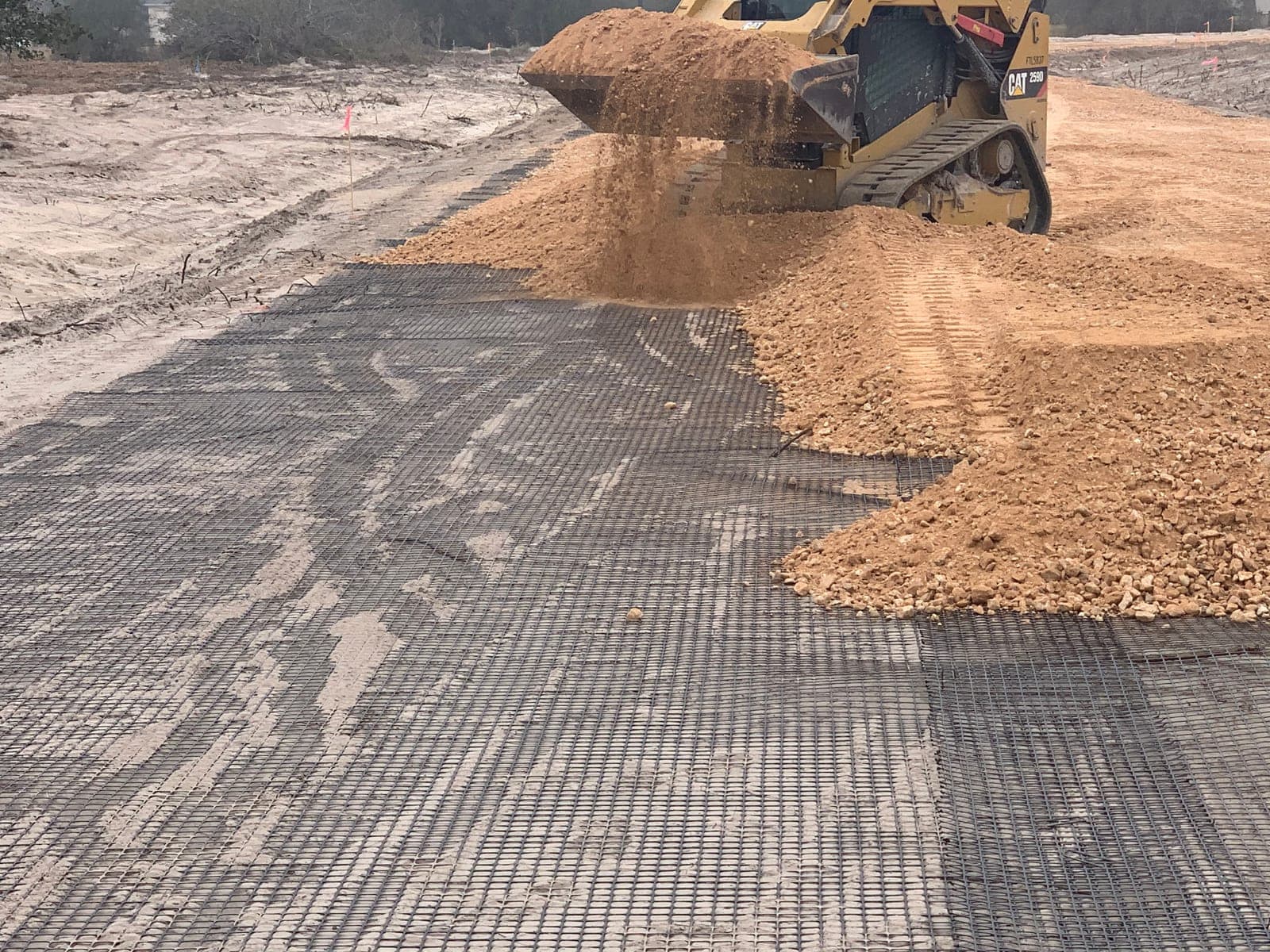
By incorporating BaseLok high-strength geogrids into the granular fill beneath a foundation, we create a composite structure with improved bearing capacity. This reinforcement system acts like a stiff platform, or "raft," that bridges across localized weak spots in the subgrade. As loads are applied, the geogrid interlocks with the aggregate, providing lateral confinement and preventing the outward movement of soil particles. This confinement increases the vertical stress the soil can withstand without failing.
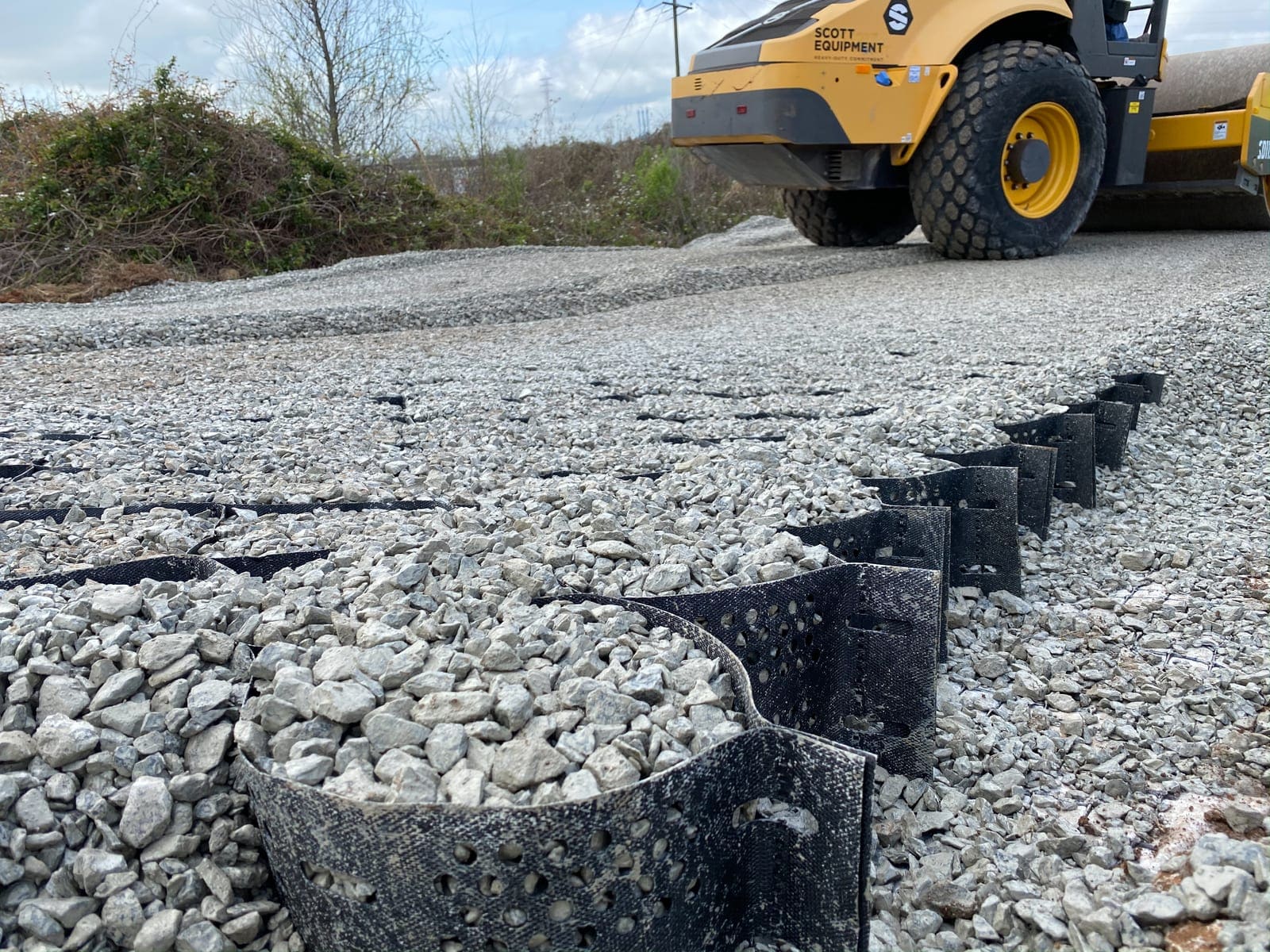
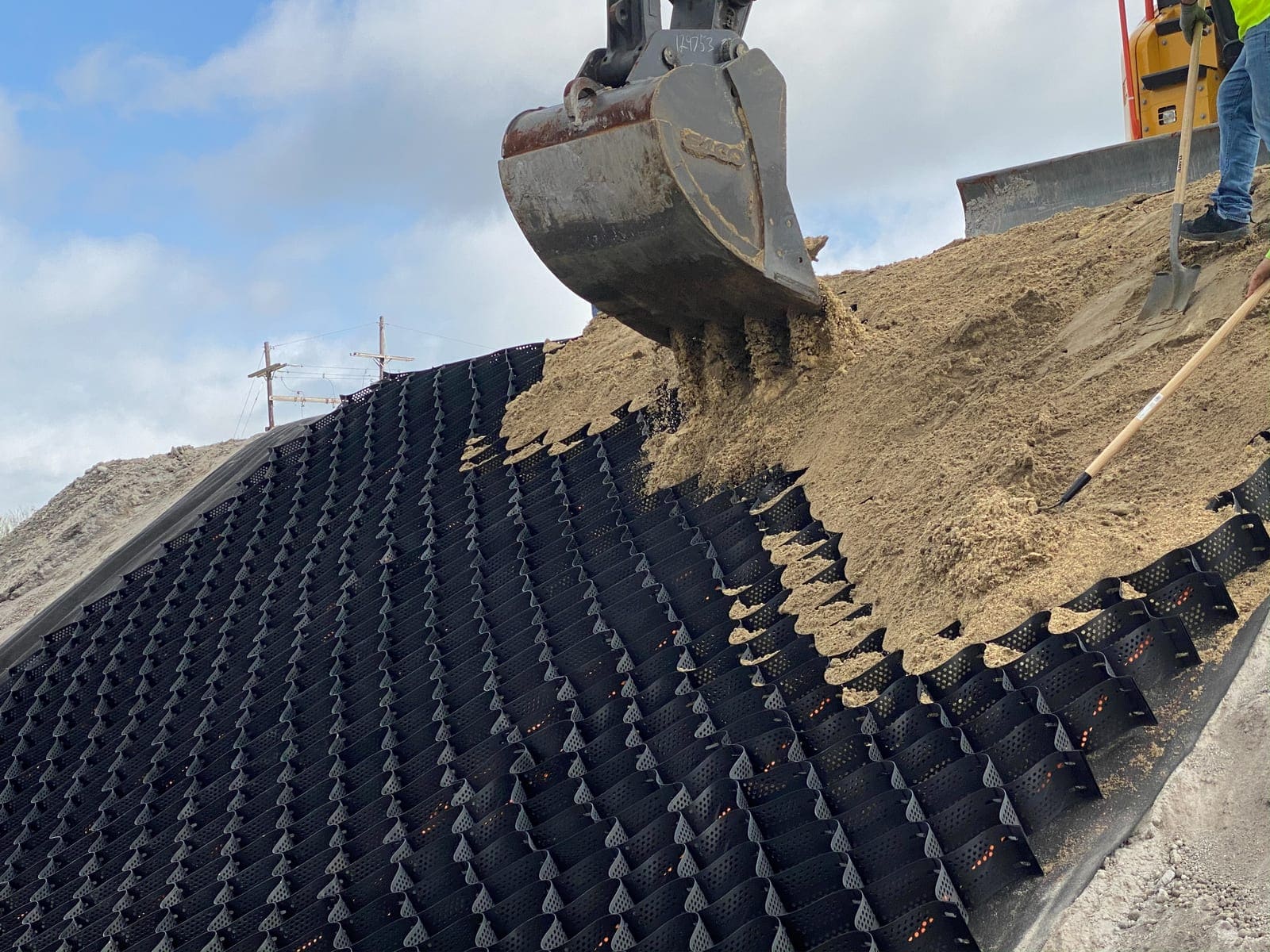
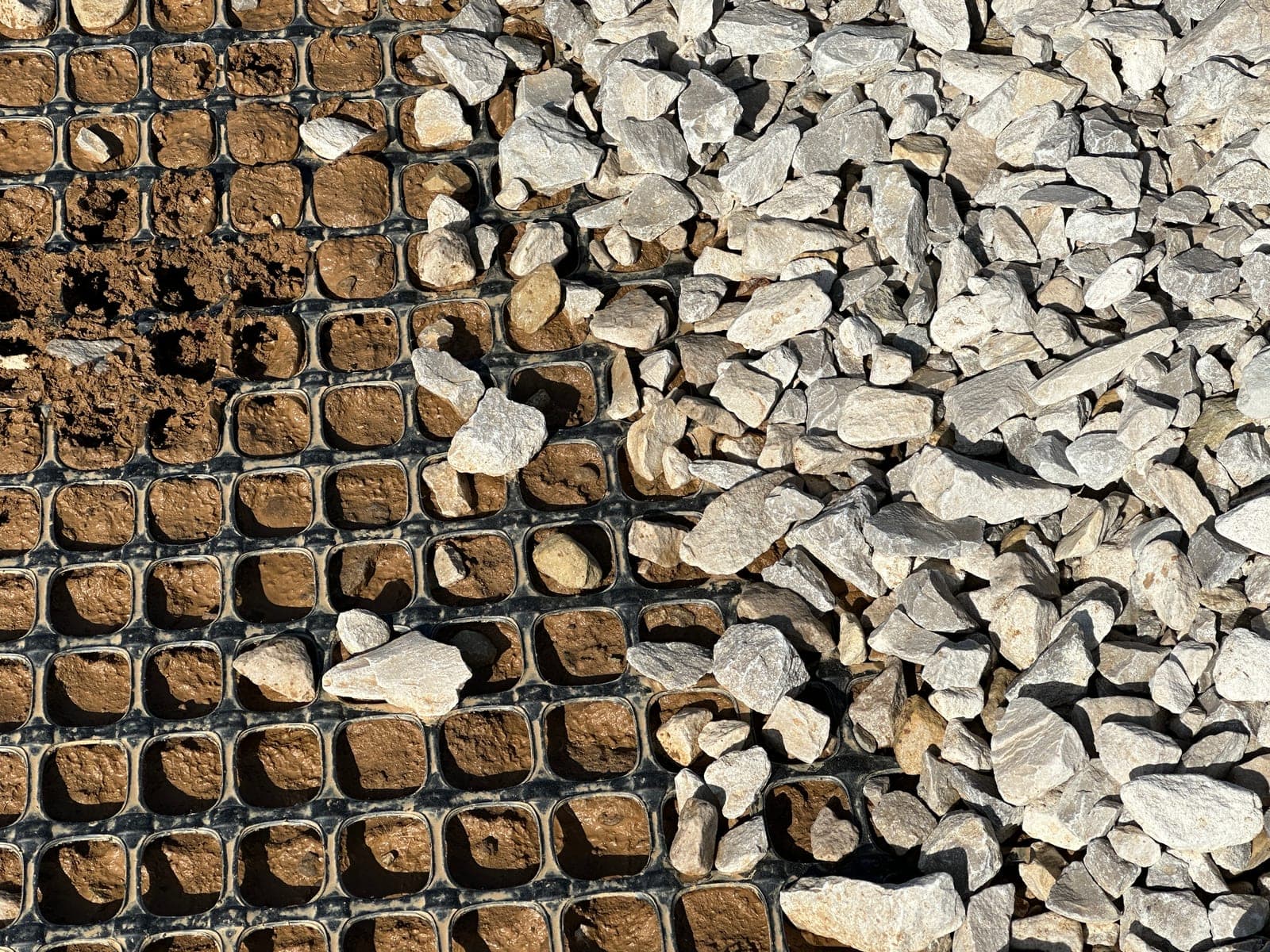
For even more extreme loading or exceptionally weak soils, BaseLok GeoCell can be added for complete cellular confinement. This cellular confinement prevents the lateral displacement of infill material, allowing foundations to be safely constructed on soils with very low CBR values. The result is a significant increase in the factor of safety and a more reliable, predictable foundation behavior throughout the building's lifecycle.
Applicable Project Types
- Industrial equipment pads and storage facilities
- Bridge abutments and wing wall foundations
- Parking structures and heavy-duty pavements
- Residential developments over variable ground conditions
By utilizing BaseLok stabilization, engineers can often increase the allowable bearing pressure by 50% to 100%.
Key Benefits
- Greatly enhance the allowable bearing capacity of weak soils
- Eliminate the need for costly deep foundation systems
- Reduce footing dimensions and excavation volume
- Accelerate construction schedules by simplifying site prep
- Increase overall structural factor of safety
- Lower total project lifecycle and construction costs
Related Products
Resources
Featured Insights
Maintaining the integrity of soil layers is critical for long-term infrastructure performance. Baselok FabGrid...
Infrastructure development in weak soil conditions requires innovative reinforcement solutions. Baselok GeoCel...
Explore how advanced geosynthetic solutions like Baselok Geogrid and FabGrid are transforming modern construct...
Understand how Baselok GeoCell and SiltGuard solutions help manage erosion and protect infrastructure in chall...
Modern infrastructure projects demand solutions that are faster, more cost-effective, and more durable than wh...