
Protect Critical Rail Infrastructure
from Impact Loading
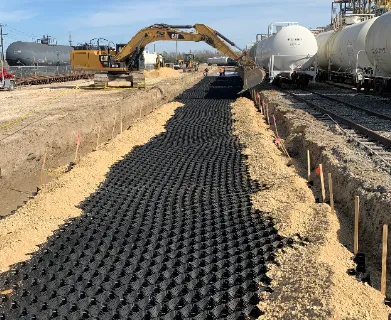
RAILWAY "INFRASTRUCTURE PROTECTION"
Protect critical rail infrastructure from impact loading and dynamic stress
Rail infrastructure is subject to extreme and repetitive dynamic loading from passing trains. Over time, cyclic impact forces cause progressive degradation across all track components rails, ties, fasteners, and the underlying trackbed. BaseLok geosynthetic solutions are specifically engineered to absorb and distribute impact loads, significantly reducing stress transmission into critical structural elements and extending the operational life of the entire track system.
How Infrastructure Protection Works
Railway structures experience complex, concentrated loads at wheel-to-rail contact points. These dynamic forces travel downward through the rail, through the tie, and into the ballast and trackbed below. Without adequate load distribution, cumulative impact damage accelerates wear and structural fatigue in rails, ties, and fastener systems.
BaseLok large aperture geogrid installed at the ballast / sub-ballast interface creates a mechanically stabilized ballast layer. By confining and interlocking ballast particles, the BaseLok geogrid helps prevent ballast movement below the tie. This confinement of the ballast layer significantly increases the maintenance cycle and the time between retamping.
This protection is especially critical in high-traffic areas such as bridge approaches, tunnels, rail switches, and turnout zones where concentrated loading and variable subgrade conditions are common. BaseLok geogrids directly reduce the frequency of track geometry deterioration and prolong maintenance intervals.
Applicable Project Types
- Heavy-haul and high-tonnage freight rail corridors
- Rail bridge approach zones and abutment areas
- Switch and turnout zones with complex loading patterns
- Urban rail and metro track subject to high train frequency
BaseLok geogrids are engineered to perform under the extreme, repetitive loading conditions unique to railway operations providing durable, low-maintenance protection for the entire track structure.
Key Benefits
- Distribute impact loads over a wider area
- Reduce stress on rails, ties, and fasteners
- Minimize trackbed deflection under loading
- Protect bridge approaches and turnout zones
- Extend service life of track components
- Reduce frequency of maintenance interventions
Related Products
Resources
Featured Insights
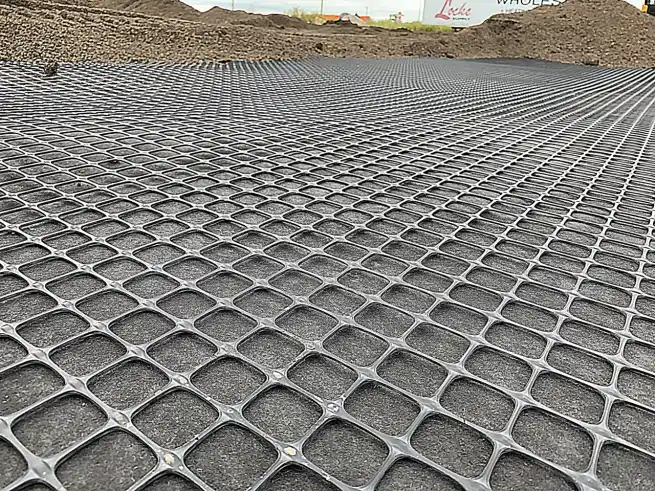
Maintaining the integrity of soil layers is critical for long-term infrastructure performance. Baselok FabGrid...
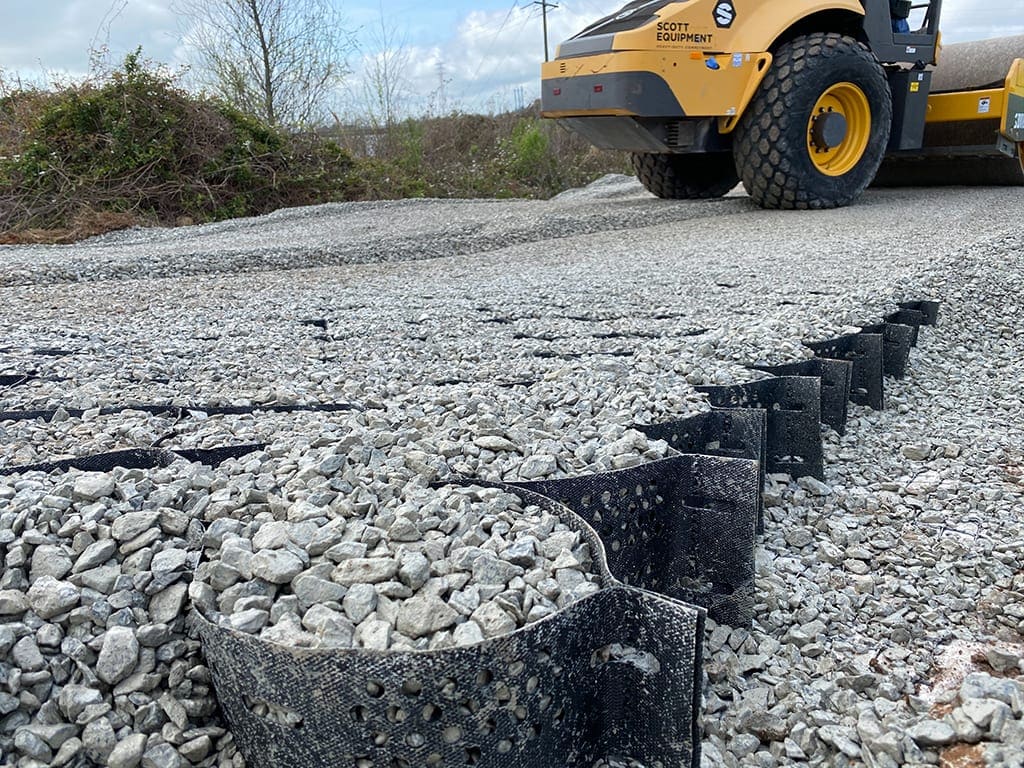
Infrastructure development in weak soil conditions requires innovative reinforcement solutions. Baselok GeoCel...
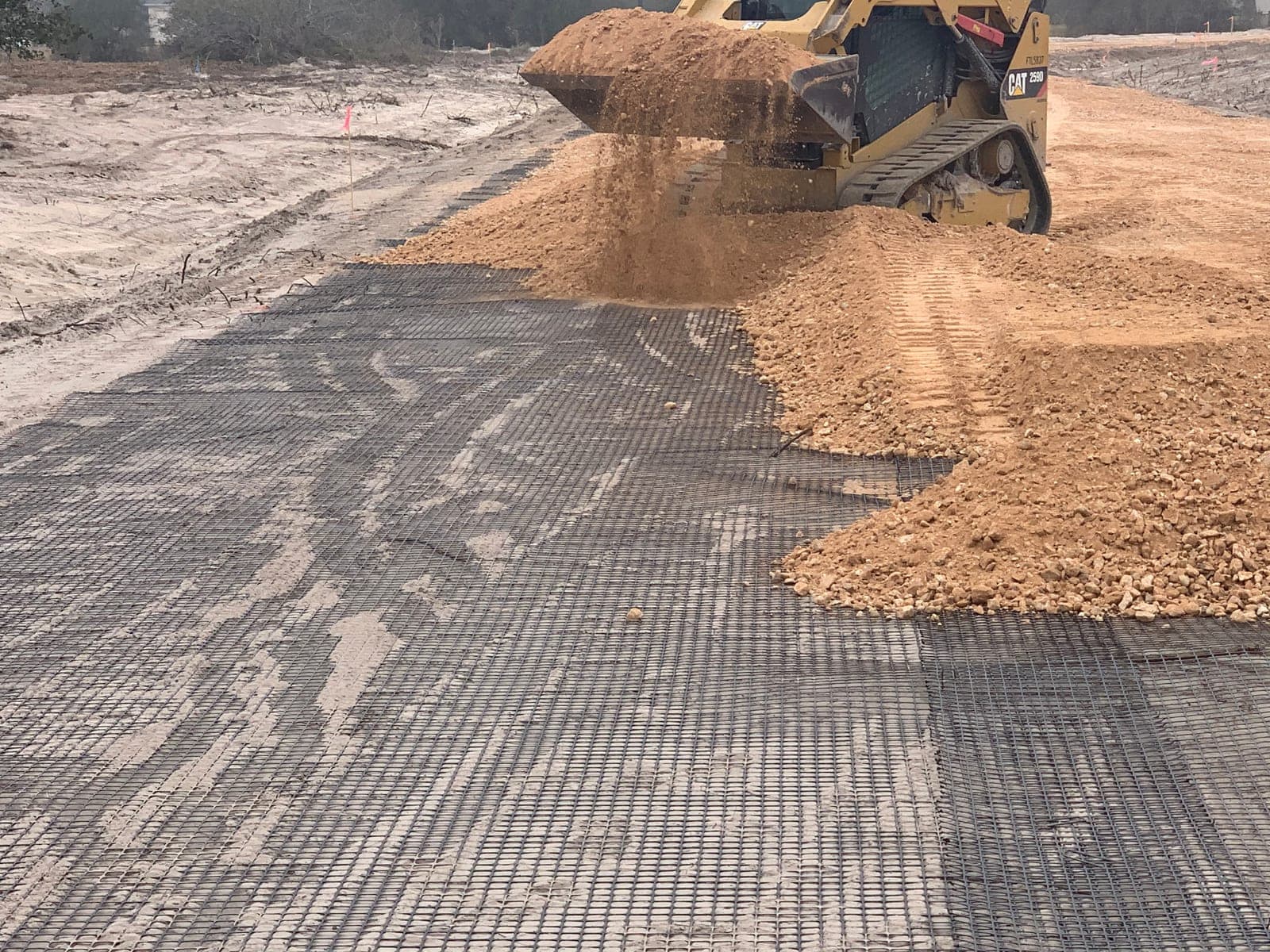
Explore how advanced geosynthetic solutions like Baselok Geogrid and FabGrid are transforming modern construct...
Understand how Baselok GeoCell and SiltGuard solutions help manage erosion and protect infrastructure in chall...
Modern infrastructure projects demand solutions that are faster, more cost-effective, and more durable than wh...